How AI is Changing Online Jobs in 2026 – Complete Guide
How AI is Changing Online Jobs in 2026 – Complete Guide

Artificial Intelligence (AI) is transforming the way people work. From content creation and customer support to software development and digital marketing, AI technologies are influencing almost every online profession.
While some people fear that AI will replace human workers completely, others believe that AI will create new opportunities and improve productivity. The reality lies somewhere in between.
In this guide, we will explore how AI is changing online jobs, which professions are most affected, and what skills people should develop to stay relevant in the future.
What is Artificial Intelligence?
Artificial Intelligence refers to computer systems that can perform tasks that usually require human intelligence. These tasks include:
- Writing and editing content
- Analyzing data
- Generating images and videos
- Answering customer queries
- Automating repetitive tasks
- Creating software code
AI tools such as ChatGPT, Gemini, Claude, Midjourney, and Copilot are already helping millions of people work faster and more efficiently.
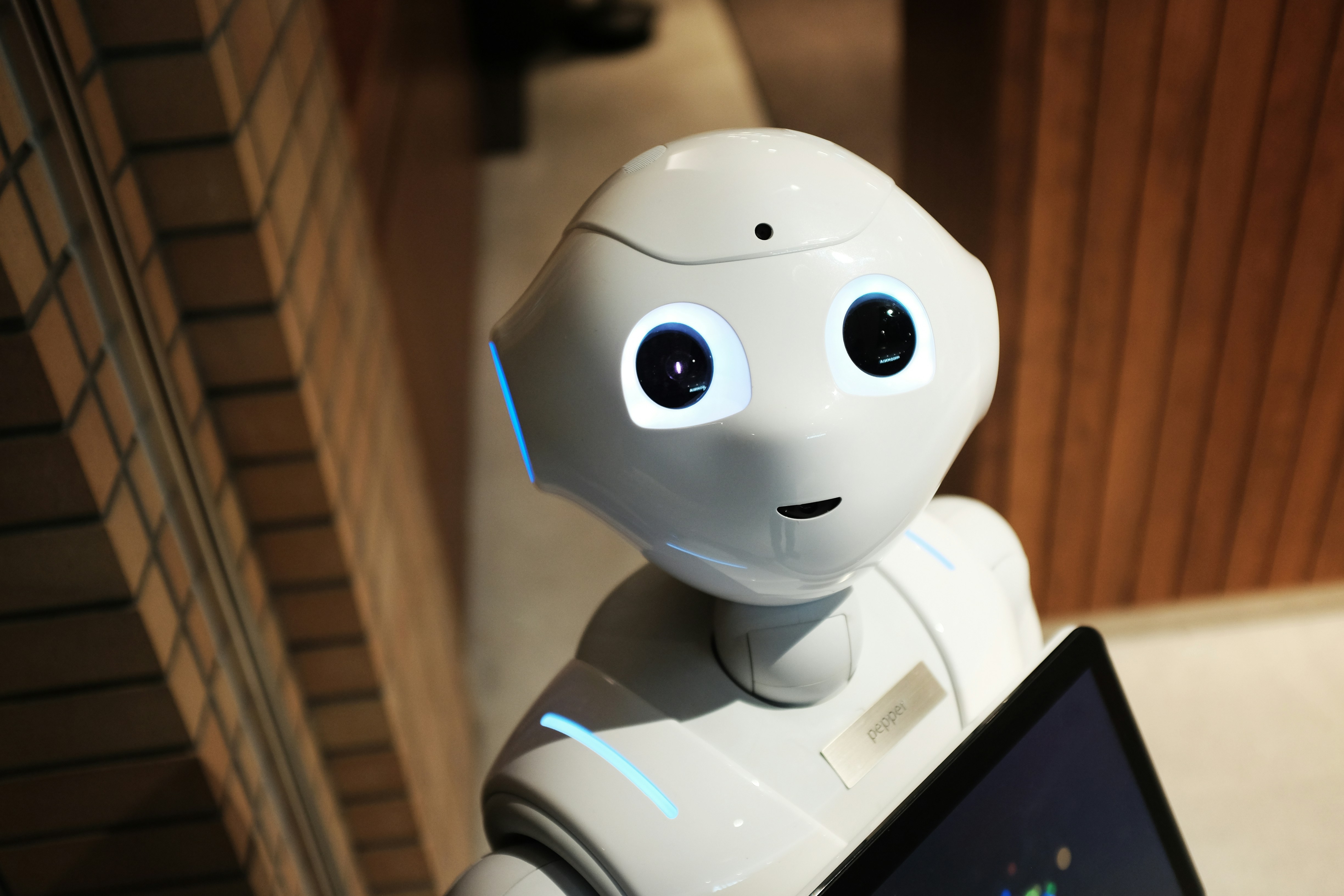
Why AI is Transforming Online Jobs
Businesses are constantly looking for ways to increase efficiency and reduce costs. AI enables companies to automate repetitive work, improve accuracy, and provide better customer experiences.
Because of these advantages, AI adoption is growing rapidly across industries.
Major reasons behind this transformation include:
- Higher productivity
- Reduced operational costs
- Faster decision-making
- Improved customer service
- Automation of routine tasks
Online Jobs Most Affected by AI
1. Content Writing
AI writing tools can generate articles, emails, product descriptions, and social media captions within seconds.
However, human writers still play an important role in creativity, storytelling, and strategic content planning.
2. Graphic Design
AI image generators can create logos, illustrations, and social media graphics quickly. Designers who combine creativity with AI tools are becoming more productive.
3. Customer Support
AI-powered chatbots now handle many basic customer queries, reducing the workload of support teams.
4. Data Entry Jobs
Automation software can process repetitive tasks faster than humans, making traditional data entry roles less in demand.
5. Software Development
AI coding assistants help developers write code more efficiently. Rather than replacing programmers, AI acts as a productivity tool.

Online Careers That Are Growing Because of AI
AI Prompt Engineering
Companies are hiring professionals who know how to communicate effectively with AI systems.
AI Content Editing
Human editors are increasingly needed to refine and improve AI-generated content.
AI Automation Specialists
Businesses need experts who can integrate AI into their workflows.
Digital Marketing
AI tools are making marketers more productive, but human strategy and creativity remain essential.
Cybersecurity
As technology advances, protecting digital systems becomes increasingly important.
Skills That Will Remain Valuable
Although AI is powerful, certain skills are difficult to automate.
- Critical thinking
- Creativity
- Communication skills
- Leadership
- Problem-solving ability
- Strategic planning
- Emotional intelligence
People who continuously learn and adapt are more likely to succeed in the AI era.

How Freelancers Can Benefit From AI
Freelancers can use AI tools to increase productivity and serve clients more effectively.
Examples include:
- Generating content outlines
- Improving grammar and readability
- Creating presentations
- Research assistance
- Video editing support
- Image generation
Freelancers who learn AI tools often gain a competitive advantage.
Challenges Created by AI
Despite its benefits, AI also presents several challenges.
- Job displacement concerns
- Privacy and security issues
- Misinformation risks
- Overdependence on automation
- Ethical concerns
Governments and organizations worldwide are working to ensure responsible AI development.
The Future of Work in the AI Era
Experts believe that AI will not eliminate most jobs completely. Instead, it will reshape how people work.
The future workplace will likely involve collaboration between humans and AI systems.
People who embrace lifelong learning, digital skills, and adaptability will have the greatest opportunities.
How to Prepare for the Future
- Learn AI tools and technologies
- Develop high-income digital skills
- Focus on creativity and innovation
- Improve communication abilities
- Stay updated with industry trends
- Continue learning throughout your career
Final Thoughts
Artificial Intelligence is changing online jobs faster than ever before. While some traditional roles may decline, many new opportunities are emerging.
Rather than fearing AI, individuals and businesses should focus on learning how to work alongside these technologies.
The future belongs to people who combine human creativity, critical thinking, and emotional intelligence with the power of artificial intelligence.
Frequently Asked Questions (FAQs)
Will AI replace online jobs completely?
No. AI will automate some tasks, but most careers will evolve rather than disappear.
Which jobs are safest from AI?
Creative, strategic, leadership, and communication-based jobs are less likely to be fully automated.
Should freelancers learn AI tools?
Yes. AI skills can improve productivity and create new opportunities.
Is AI creating new jobs?
Yes. AI is creating roles such as prompt engineers, AI consultants, automation specialists, and AI content editors.


Comments
Post a Comment